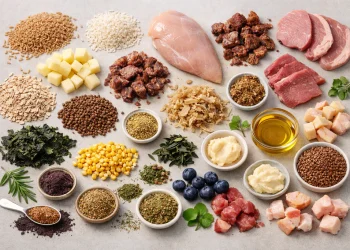
Standing in front of a shelf full of dog food can feel surprisingly overwhelming when your dog has a sensitive stomach. One bag promises gentle digestion. A nearby can claims to be easier on the stomach. Online forums insist wet food is always the better choice, while others argue that kibble is perfectly fine.
After reading enough opinions, it’s easy to wonder whether the answer is simply wet versus dry.
Some dogs develop firmer stools after switching to canned food, while others improve without leaving kibble. Often, the real issue is not the package but the ingredients, nutritional balance, feeding routine, and how well the diet matches the dog.
If you’re still trying to determine whether your dog actually has a sensitive stomach, begin with our guide to Signs of a Sensitive Stomach in Dogs. If you’ve already decided a diet change is necessary, our article on Best Dog Food for Sensitive Stomachs explains how to compare complete formulas rather than focusing on food format alone.
Rather than declaring one universal winner, this guide explains when wet food makes sense, when dry food may be the smarter option, and why the overall diet usually matters more than moisture content.
Wet vs. Dry Dog Food: Does One Really Digest Better?
Imagine two owners whose dogs both experience loose stools every few weeks.
One switches to canned food and notices improvement within days. Encouraged by the result, they tell everyone that wet food is easier to digest.
The second owner tries exactly the same strategy. Nothing changes. Their dog continues having stomach problems despite eating a completely different food.
Both owners are telling the truth. The mistake is assuming every dog will respond the same way.
One of the most common misconceptions about canine nutrition is the idea that soft food must automatically be easier for the digestive system simply because it starts out softer in the bowl. It sounds logical, yet digestion doesn’t work that way.
Once food reaches the stomach, it is mixed with gastric acid, digestive enzymes, and fluid regardless of whether it originally came from a can or a bag. Dry kibble rapidly absorbs moisture and softens before moving farther through the digestive tract. By this point, the digestive system is processing nutrients—not evaluating the food’s original texture.
That is why veterinarians rarely recommend choosing a diet based solely on whether it is wet or dry. Instead, they look at the characteristics that are far more likely to influence digestion, including:
- Protein source
- Fat level
- Fiber balance
- Overall digestibility
- Calorie density
- Whether the formula meets the dog’s nutritional needs
Consider two different canned foods. One may contain moderate fat levels and highly digestible ingredients, while another may be much richer and more calorie-dense. Although both are wet foods, they can produce completely different digestive responses.
The same is true for kibble. A carefully formulated dry diet may be tolerated extremely well, while another dry food with a richer recipe may trigger digestive upset in the very same dog.
Hydration is another factor that often enters the conversation. Wet food certainly contributes more water with each meal, which can benefit dogs that naturally drink very little. But extra moisture alone does not treat food intolerance, recurring vomiting, chronic diarrhea, or gastrointestinal disease.
Perhaps the most important takeaway is this: dogs don’t digest food formats—they digest complete diets.
How Wet and Dry Dog Food Differ
Neither format is inherently better, but wet and dry foods differ in hydration, calorie density, storage, and the way dogs approach meals.
Moisture Is the Most Noticeable Difference
The easiest difference to see is also the one most people notice first: water content.
Most dry kibble contains only about 8–12% moisture, while canned diets commonly contain 70–80% water. That means every serving of wet food contributes significantly more fluid to a dog’s daily intake.
For dogs that rarely drink enough on their own, this additional moisture can be helpful. Better hydration may support normal stool consistency and overall digestive function, especially during recovery from mild digestive upset.
Keep that benefit in perspective. Moisture can support healthy digestion, but it cannot compensate for an inappropriate diet. A dog that reacts poorly to a protein source or high-fat formula is unlikely to improve simply because the meal contains more water.
Calories Matter More Than Bowl Size
One reason wet food often appears more filling is that much of its weight comes from water.
A canned meal usually occupies more space in the bowl while providing the same—or sometimes fewer—calories than a much smaller serving of kibble. Owners sometimes assume the larger meal is more nutritious, when in reality the calorie intake may be very similar.
Dry food is far more calorie-dense. That makes it convenient to store and feed, but it also means accidentally overfeeding is surprisingly easy if portions aren’t measured carefully.
For dogs with sensitive stomachs, maintaining a stable calorie intake is often more important than whether the food is wet or dry. Sudden increases in meal size—even with an excellent diet—can contribute to digestive discomfort in susceptible dogs.
Texture Changes the Eating Experience
Food texture influences behavior more than digestion.
Many dogs become excited by the stronger aroma of canned food and finish their meals quickly. Others enjoy chewing kibble and naturally eat at a slower pace.
Neither habit is automatically better.
A dog that swallows canned food in seconds may vomit simply because it ate too fast. Another dog may chew dry food calmly and digest it without any difficulty for years.
This is why watching your own dog is far more valuable than following general assumptions. Notice how eagerly your dog eats, how quickly meals disappear, and what happens afterward. Consistently normal stools and comfortable digestion provide much stronger evidence than whether the meal came from a can or a bag.
When Wet Food May Be Better for a Sensitive Stomach
Wet food is not automatically right for every digestive issue, and many sensitive dogs never need it.
It becomes useful when its moisture, aroma, or soft texture solves a specific problem that kibble does not.
When Your Dog Doesn’t Drink Much Water
Think about a dog that rarely visits the water bowl.
The food itself may not be causing digestive problems, but mild dehydration can make recovery from vomiting or diarrhea more difficult and may contribute to firmer stools in some dogs.
Because canned food is mostly water, every meal naturally increases daily fluid intake without requiring the dog to drink more.
For dogs that consistently consume too little water, this added moisture can support normal digestive function and help maintain healthy hydration.
That doesn’t mean wet food treats digestive disease.
If the underlying issue is food intolerance, inflammatory bowel disease, pancreatitis, intestinal parasites, or another medical condition, switching from kibble to canned food alone is unlikely to solve it. Hydration is supportive—it isn’t a substitute for finding the right diet.
When Eating Is the Bigger Challenge
Sometimes the biggest concern isn’t digestion.
It’s getting the dog to eat in the first place.
After an episode of vomiting, mild gastroenteritis, surgery, or a stressful event, many dogs lose interest in food. A bowl of kibble that was eagerly finished yesterday may be ignored today.
Wet food often succeeds in these situations because its stronger aroma and softer texture make meals more appealing.
Owners sometimes mistake this improved appetite as proof that canned food is easier to digest. In reality, many perfectly healthy dogs simply find wet food more tempting.
Rather than focusing only on whether your dog finishes the bowl, watch what happens over the following days.
A diet is helping when you notice improvements such as:
- More consistent stool quality
- Fewer episodes of vomiting
- Reduced gas or abdominal discomfort
- Stable body weight
- A normal energy level
Looking at these patterns provides a much more reliable picture than appetite alone.
When Chewing Has Become Difficult
Digestive health isn’t the only reason a dog may struggle with dry food.
Senior dogs with worn teeth, dogs recovering from dental procedures, and pets living with oral pain often find soft meals much easier to eat.
Likewise, puppies transitioning from milk to solid food sometimes accept softened or canned diets more readily during the adjustment period.
In these situations, wet food improves comfort, not necessarily digestibility.
The same applies to dogs that become mildly nauseous. Smaller, moist meals may feel easier to tolerate than one large serving of kibble, especially during recovery from a temporary stomach upset.
That benefit often comes from feeding strategy as much as food format. Offering smaller meals more frequently can reduce the workload on the stomach regardless of whether the food is wet or dry.
Ultimately, canned food works best when it addresses a specific challenge—poor hydration, reduced appetite, or difficulty chewing—not because every sensitive stomach requires a softer diet.
When Dry Food May Be the Better Choice
Because wet food is often marketed as “gentle,” many owners assume kibble is automatically harder on the stomach.
Many sensitive dogs thrive on dry food for years because the formula and feeding routine suit them.
A Predictable Diet Makes Digestive Problems Easier to Manage
One of kibble’s biggest advantages has nothing to do with texture.
Consistency is often kibble’s greatest advantage.
Every meal can be measured accurately, stored easily, and repeated day after day with very little variation. That predictability is valuable when you’re trying to understand what’s upsetting your dog’s stomach.
Imagine trying to identify the cause of loose stools while changing meal sizes, adding toppers, rotating canned foods, and offering different treats every few days. It quickly becomes impossible to know which change actually mattered.
A stable feeding routine removes many of those variables.
When digestion improves—or worsens—you have a much clearer idea why.
Don’t Replace a Diet That Already Works
Occasional vomiting doesn’t automatically mean your dog’s kibble is the problem.
Many digestive upsets happen for reasons that have little to do with the main diet.
Dogs may develop loose stools after stealing food from the trash, eating rich table scraps, swallowing something outdoors, or simply experiencing a stressful day.
Before replacing a food that has otherwise produced months of healthy digestion, ask yourself a few questions.
Has your dog maintained a healthy weight?
Are stools usually normal?
Did the problem begin after introducing new treats or chews?
Is vomiting happening after eating too quickly rather than after every meal?
Looking for patterns often prevents unnecessary diet changes that create even more digestive disruption.
Convenience Can Help Dogs More Than Owners Realize
Convenience sounds like a benefit for people, but it can also benefit dogs.
A diet that is affordable, easy to buy, simple to measure, and readily available is far more likely to be fed consistently over the long term.
By comparison, a canned food that is difficult to find or too expensive to feed every day may lead owners to switch brands repeatedly whenever products become unavailable.
Ironically, those frequent diet changes can be harder on a sensitive stomach than remaining on a well-formulated dry food.
The ideal diet isn’t the newest product on the shelf.
It’s the one your dog can eat comfortably month after month without constant interruptions.
That is why experienced veterinarians often place consistency ahead of food format when helping owners manage chronic digestive sensitivity.
What Matters More Than Wet vs. Dry
Most advantages of either format depend on the dog and the circumstances.
Owners may debate bags versus cans while the real trigger hides in the ingredient list, fat level, portion size, feeding habits, or treats.
If you remember only one idea from this article, let it be this:
Dogs don’t respond to cans or bags. They respond to nutrients, portion sizes, feeding routines, and how consistently those factors remain the same over time.
Look Beyond the Front of the Package
Labels such as gentle digestion, sensitive stomach, or easy to digest can be useful starting points, but they don’t tell the whole story.
Turn the package around instead.
Ask questions like:
- What is the primary protein source?
- Is the fat level appropriate for my dog?
- Does the food provide enough fiber without being excessive?
- Is it complete and balanced for my dog’s life stage?
These questions usually reveal far more than whether the food is wet or dry.
If you’d like to understand how protein, fat, fiber, and ingredient quality influence digestion, our guide to Dog Food Ingredients That Matter for Sensitive Stomachs explains what deserves the closest attention when comparing formulas.
Rich Meals Can Cause More Problems Than Dry Meals
Owners sometimes blame kibble when the real issue is richness.
A rich canned food, a fatty topper, leftover roast chicken, cheese, or several high-fat treats throughout the day can all place a greater digestive burden on a sensitive dog than a well-balanced dry diet ever would.
That doesn’t mean dietary fat should be avoided. Healthy dogs need fat for energy, healthy skin, coat condition, and the absorption of fat-soluble vitamins.
The goal is simply to avoid feeding more richness than your dog’s digestive system comfortably handles.
Whenever digestive problems continue despite changing the main food, step back and look at everything your dog eats over the course of a week—not just breakfast and dinner.
Many owners are surprised to discover that the biggest trigger wasn’t the kibble or the canned food at all.
Your Dog Is the Best Judge
It’s tempting to search for the perfect food.
But digestive health rarely improves because someone else recommended a particular product online. It improves because owners pay attention to how their own dog responds.
Instead of changing foods every few weeks, make one meaningful adjustment at a time.
Then give your dog enough time to adapt before deciding whether the change helped.
One simple habit can make this much easier: keep a short feeding diary.
Record:
- What food was fed
- Portion size
- Stool quality
- Vomiting, if any
- New treats or chews
- Anything unusual that day
After two or three weeks, patterns often become obvious. What felt random at first may turn out to have a clear explanation.
Can You Mix Wet and Dry Food for a Sensitive Stomach?
Combination feeding works well for many dogs when it is introduced carefully.
Mixing Foods Can Offer the Best of Both Worlds
Adding a small amount of canned food to kibble can increase moisture, improve palatability, and make meals more enjoyable without giving up the convenience of dry food.
For some owners, it also makes medications easier to hide or encourages picky eaters to finish their meals.
None of these benefits automatically improve digestion, but they can improve feeding consistency—which often has a much bigger impact over time.
Avoid the Most Common Mixing Mistakes
Most problems appear when owners unknowingly change several variables at once.
A typical example looks like this:
- New kibble
- New canned food
- New treats
- Larger meal portions
If loose stools appear two days later, there is no reliable way to know which change caused them.
A much safer approach is to introduce only one major change at a time.
Allow your dog to settle on the new food first.
Only then should you begin adding a small amount of wet food if you decide combination feeding is still necessary.
If you’re planning a diet change, follow a gradual transition rather than replacing everything overnight. Our guide to How to Switch Dog Food Without Upsetting Your Dog’s Stomach explains how to reduce the risk of vomiting and diarrhea during the process.
Count Calories, Not Spoonfuls
One mistake owners frequently overlook is calorie intake.
A spoonful of canned food may not look like much, but adding it on top of a full serving of kibble increases the total calories in the meal.
Whenever wet food is added, reduce the amount of kibble accordingly instead of simply feeding both full portions.
Monitoring body condition every few weeks is often more useful than relying on the number shown on the scale.
How to Choose Between Wet and Dry Food for Your Dog
You may still want a simple winner.
There isn’t one—and that’s perfectly normal.
That means you do not need to switch foods simply because someone claims one format is superior.
Instead, ask yourself a few practical questions.
- Does my dog maintain normal, well-formed stools most of the time?
- Is vomiting becoming less frequent?
- Does my dog seem comfortable after meals?
- Can I feed this diet consistently every month?
- Is my dog maintaining a healthy weight and good energy level?
If the answer to most of those questions is yes, you’re probably already on the right track.
If the answer is no, don’t focus only on whether the food is wet or dry.
Review the complete picture—ingredients, feeding routine, portion sizes, treats, hydration, and any underlying medical conditions.
Choose the Diet That Works for Your Dog
There is no universal winner in the wet-versus-dry debate.
Some dogs genuinely benefit from the extra moisture and aroma of canned food. Others thrive on kibble for their entire lives without experiencing ongoing digestive problems.
Rather than searching for the “best” food format, focus on finding a complete diet your dog enjoys, digests comfortably, and can stay on consistently for the long term.
If you haven’t yet chosen a new diet, our guide to Best Dog Food for Sensitive Stomachs (DN002) can help you compare complete formulas based on your dog’s digestive pattern rather than whether the food comes from a can or a bag.
In the end, successful feeding isn’t about proving that wet food is better than dry food—or the other way around.
It’s about helping your dog eat comfortably today and continue thriving months and years from now.
If your dog enjoys meals, maintains a healthy weight, produces normal stools, and stays comfortable after eating, you have found something more valuable than the ‘perfect’ food: a diet that works for your dog.